Referring domains carry more weight in SEO than most businesses initially realize, partly because their influence builds quietly but steadily. When an external website points to your content, search engines read that action as a sign of relevance and trust. Over time, those signals stack into a broader picture of your authority, shaping how your pages compete in search results.
Companies often chase more backlinks without considering where they come from, yet the quality of these relationships matters far more. Understanding how referring domains shape visibility gives you a clearer path toward sustainable, long-term growth in a crowded digital space.
What Is a Referring Domain?
A referring domain is simply one website sending one or more backlinks to your pages, but the impact goes deeper than that simple definition. Search engines treat these relationships much like personal recommendations, where quality and reputation matter as much as the link itself. When one referring domain consistently brings visitors to your target site, it slowly reinforces your credibility.
Even two referring domains can influence how search engines understand your content’s relevance. The more contextually aligned the source, the clearer the signal becomes, helping shape how algorithms interpret the value and reliability of your information across the entire site.
The Importance of Referring Domains in SEO
Referring domains are important for SEO because they offer a broader dimension of trust that single backlinks cannot replicate. Search engines look at how many unique referring domains point to your content, not just how many links you accumulate. That distinction shapes your backlink profile more accurately, revealing whether other websites genuinely recognize your material.
When multiple backlinks come from only one website, the signal is weaker than a diverse group of linking domains. Higher diversity shows that referral domains across different industries see your content as useful. That recognition strengthens your authority and encourages more organic traffic to your target website.
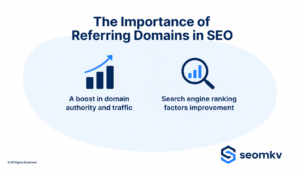
- Search engine ranking factors improvement – Referring domains and backlinks work together to lift your visibility by signaling that other websites value your information. Search engines consider these signals when evaluating ranking factors, and even one referring domain can influence how your pages compete. A broader mix of unique referring domains usually leads to stronger authority and improved placement across competitive search results.
- A boost in domain authority and traffic – Quality referring domain links support steady authority growth by demonstrating trust from external domains. When search engines see links pointing to your pages from relevant sources, they view your content as more credible. That recognition helps drive more organic traffic and reduces the risk of ranking drops caused by weak or spammy backlinks.
How to Check Your Referring Domains?
To check referring domains effectively, you need visibility into where your links originate and how they influence performance. Most teams use SEO tools with a referring domains checker to track this data. The goal is not just to count the number of referring domains but to understand their quality.
Analyzing referring domains gives insight into authority score trends, linking websites, anchor text variety, and the presence of spammy referring domains. This kind of backlink checker tool profile analysis helps identify both strengths and risks. Over time, you can refine your link building efforts by focusing on influential referring sites instead of low quality websites that distort your progress.
- Linking pages: Linking pages show exactly where sites linking to you send traffic. When one web page on an external website connects to your content, it becomes part of your backlink profile. If two backlinks from different pages appear, they help strengthen the relevance of your material. These insights guide adjustments to your link building strategy.
- Target pages: Target pages reveal which parts of your content attract links pointing to your domain. By tracking where referral domains land, you understand the strengths and weaknesses of your structure. Some areas may naturally earn more backlinks, while others need support. This visibility helps shape a focused content marketing plan for long-term growth.
5 Strategies to Get More Referring Domains
Gaining new referring domains requires a deliberate approach because not all domains are created equal. Building authority depends on earning links from other websites that genuinely trust your expertise. Effective link building efforts start with listening to what competitor websites already target and identifying opportunities they overlook.
A strong link building strategy also relies on high quality content that answers real problems. When analyzing referring domains, patterns emerge that help you understand where your strongest opportunities lie. Over time, these tactics create a steady flow of new referring domains that support your authority and improve the website’s reputation in competitive markets.
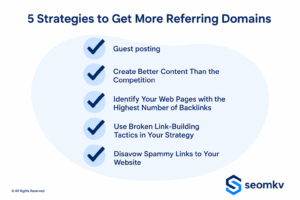
1. Guest posting
Guest posting remains a steady way to earn referral domains because it allows you to showcase expertise on linking sites that already have established audiences. When your content resonates, those websites link back naturally while sharing your insights with readers who trust them. This creates a healthy exchange where you provide value and receive visibility.
Over time, this approach helps strengthen your backlink profile by adding unique referring domains rather than repeating links from the same root domains. By choosing publications aligned with your niche, you create a pathway for high quality backlinks that continue supporting your authority and driving more organic traffic.
2. Create Better Content Than the Competition
Creating better content than competitor websites often feels like an endless chase, yet it remains one of the most dependable ways to attract more backlinks. High quality content draws interest because other websites link to material they believe adds depth for their readers. When your blog post surpasses existing information, it naturally becomes the preferred reference point.
This process helps attract new referring domains without aggressive outreach. Consistency matters because creating high quality content regularly increases the number of referring domains you earn over time. When people view your work as more useful than alternatives, they reward it with natural links that strengthen your authority.
3. Identify Your Web Pages with the Highest Number of Backlinks
Some pages naturally gather more backlinks because they answer a question clearly or provide insights others rely on. Identifying those areas gives you a foundation for future growth. When analyzing referring domains, patterns emerge that highlight which pages attract the strongest recognition.
The number of referring domains connected to these pages often indicates what kind of information appeals to other websites. These strengths help shape your next steps, whether that means updating a resource, expanding its scope, or promoting it on social media platforms. Understanding what already works gives you a clear map for future link building activity.
4. Use Broken Link-Building Tactics in Your Strategy
Broken link building centers on finding broken backlinks across specific website types and offering your own content as a replacement. Many site owners appreciate the help because it cleans their experience while giving you a chance to earn more backlinks.
When links no longer point to valid information, your material can fill that gap. This strategy brings in new referring domains while helping you build credibility with linking websites. Over time, it becomes easier to approach external domains because you already solved a problem for them. It is a mutually beneficial way to expand your authority without sounding promotional.
5. Disavow Spammy Links to Your Website
Removing spammy backlinks protects the long-term health of your backlink profile. If such domains target your site, they can distort performance and create unnatural links that misrepresent your reputation. Using a disavow strategy allows search engines to ignore those signals, giving your genuine authority room to grow.
This step becomes essential when low quality websites threaten your credibility. Monitoring unnatural patterns also prevents ranking drops caused by manipulative link schemes. Disavowing is not about reducing the total number of referring domains but ensuring the remaining ones reflect trusted sources. This helps maintain a cleaner, more aligned authority score for your business.
How to Build High-Quality Referring Domains?
Building high quality referring domains depends on consistency, relevance, and authentic value. Websites link to resources that help their audience, not to pages created solely to attract links. That means your foundation begins with content that answers questions thoroughly and stands apart from what other websites offer.
High quality backlinks flow naturally when your work supports real needs. Understanding the difference between backlinks and referring domains helps keep your strategy focused on diversity rather than volume. When new referring domains see your content as credible, they become long-term allies in shaping your authority across different parts of your target domain.
Create Shareable Resources
Shareable resources often perform well because they encourage linking websites to reference your work repeatedly. The more practical the resource, the more likely other websites will treat it as a reliable tool that deserves attention. When your content delivers clarity and insight, referral domains naturally include it in their material.
These pages act as ongoing signals that your expertise extends beyond one blog post or narrow topic. Useful resources travel easily across industries, helping your authority reach audiences you might not access directly. Creating material that people want to cite becomes one of the simplest ways to attract high quality backlinks.
- Infographics. Infographics work well because they simplify complex data into a visual format that others share freely. When sites linking to your material embed the graphic, you often gain domain links automatically. This approach encourages more backlinks from external website sources while reinforcing the idea that your content delivers clarity in a way text alone sometimes cannot.
- Research papers or case studies. Research papers and case studies attract attention because they offer original insights competitor websites usually cannot replicate. When linking sites use your findings, they create multiple backlinks that point to authoritative information. These resources increase credibility for your target domain and help secure recognition from important referring domains across different sectors.
- Evergreen content. Evergreen content continues earning links long after publication because it solves ongoing problems rather than short-term trends. When other websites find lasting value in your explanations, they return to them repeatedly. This steady interest builds new referring domains and encourages more organic traffic to your pages as relevance remains consistent over time.
Build Relationships with Website Owners
Relationships play a bigger role in link success than algorithms alone. When you connect with site owners who share your interests, you open the door for natural collaboration. Most websites link to people they trust, not strangers who send generic outreach requests. By focusing on mutual value, you create an environment where linking domains willingly support your work.
These relationships also help you avoid low quality websites and instead target external domains that strengthen your authority. When done well, relationship building becomes a long-term engine for growth, supporting a healthier site’s backlink profile and attracting more referring domains that build sustainable visibility.
- Guest posting. Guest posting opens doors by letting you contribute high quality content to one website at a time. When sites linking to your work appreciate your insights, they naturally add links pointing to your material. This exchange strengthens your backlink profile and helps your expertise reach audiences already invested in your niche.
- Networking with industry leaders. Connecting with industry leaders gives you opportunities to share knowledge in ways that feel natural. When respected voices see the value of your content, they sometimes link to it from external domains. These moments strengthen your backlink profile and increase recognition across audiences that trust established experts.
- Broken link building. Broken link building helps website owners fix issues while giving you space to offer valuable replacements. When linking sites repair outdated resources, your content may take its place. This exchange earns new referring domains and provides a practical way to build credibility without forcing promotional outreach.
Monitor Your Progress
Monitoring progress helps you understand which link building strategy actually delivers results. Tracking key metrics reveals whether your referral domains increase steadily or whether ranking drops signal deeper issues. Visibility matters because backlinks and referring domains shift over time, influenced by algorithm changes, competitor actions, and new linking websites.
Using SEO tools helps clarify whether your authority score strengthens or whether low quality websites dilute credibility. Progress tracking also reveals when you attract new referring domains naturally, showing which content types resonate most. Over time, this insight guides better decision-making and builds a more stable pathway toward long-term organic performance.
- Ahrefs. Ahrefs offers powerful backlink analysis tools that help you review linking domains, domain rating, and links pointing to your content. It becomes easier to find broken backlinks or problematic referring domains. With clear visibility into referral domains, you can adjust your link building efforts and track improvements in your authority score.
- SEMrush. SEMrush helps you monitor the number of referring domain links and evaluate your backlink profile over time. It highlights new referring domains, lost links, and overall trends that shape your rankings. These insights support smarter decisions and make it easier to refine your link building strategy before issues escalate.
- Google Search Console. Google Search Console gives direct insight into your external domains and the sites linking to you. It shows which pages earn more backlinks and helps reveal spammy referring domains that may affect credibility. This tool offers reliable data for ongoing monitoring and ensures your content remains discoverable across search engines.
Referring domains shape how your content performs long before you notice the results. They act as bridges between your work and other websites, offering signals that guide search engines toward understanding your relevance. When your backlink profile stays diverse and trustworthy, authority grows steadily. Strong performance rarely happens overnight, yet each new connection pushes momentum forward.
By building relationships, creating meaningful content, and avoiding spammy patterns, you create an ecosystem where your work stands independently. Over time, these practices help your pages maintain stability in search results and support predictable long-term visibility across competitive digital landscapes.
Backlinks vs Referring Domains – The difference Between
Backlinks and referring domains often get grouped together, but they play different roles in your authority. One website can create multiple backlinks that point to your content, yet all of them count as only one referring domain. Engines treat referring domains as stronger signals because they indicate broader recognition.
Understanding this difference helps you measure the true diversity of your support rather than assuming multiple backlinks equal multiple voices. When you focus on earning links from varied external domains instead of repeating sources, your reputation grows more authentically. This perspective helps improve visibility across search results.
Common Mistakes to Avoid
Mistakes happen when teams chase numbers instead of strategy. Some focus on collecting more backlinks without considering variety across external domains, while others overlook the importance of monitoring changes. Backlink profile shifts can happen quietly, and ignoring them causes unforeseen ranking drops.
Another issue appears when businesses rely on low quality websites, assuming links alone bring value. All referring domains are not created equal, and treating them as interchangeable weakens long-term performance. Staying intentional with quality and diversity creates a foundation that supports sustainable authority growth and reduces problems caused by rushed or unbalanced link acquisition processes.
Focusing too much on quantity and not quality
Chasing volume without purpose leads to shallow gains that disappear quickly. When teams prioritize the sheer number of referring domains, they often overlook whether those sources enhance credibility. Low-quality links distort your backlink profile and may introduce spammy domains that damage trust.
Quality backlinks deliver stronger, more lasting signals because they originate from websites that understand your value. When links come from aligned industries, they guide search engines toward clearer interpretations of your authority. Focusing on meaningful connections rather than bulk accumulation helps maintain stability, reduces vulnerability to penalties, and supports predictable long-term rankings.
Not monitoring your referring domains regularly
Ignoring your referring domains exposes your entire strategy to unnecessary risk. When new referring domains appear, you need to understand whether they strengthen or weaken your presence. Without monitoring, unnatural links may accumulate silently and cause ranking drops. Using a referring domains checker helps reveal when changes occur and whether the source adds value.
Consistent review allows you to adjust your link building efforts and keep your backlink profile aligned with your goals. This attention ensures your reputation grows steadily and prevents surprises caused by sudden shifts from low quality or manipulative linking patterns.
Boost Your SEO with High-Quality Referring Domains
High quality referring domains offer one of the clearest pathways toward stronger visibility, yet many businesses underestimate their impact. When external domains recognize your expertise, they amplify your reach and support more organic traffic. This trust grows gradually as unique referring domains highlight your relevance for different audiences.
A strong foundation depends on authenticity: creating content people want to cite and building relationships that encourage collaboration. When done well, these links point directly to meaningful work rather than manufactured tactics. Over time, these signals strengthen your authority and help your target domain compete more confidently in search.
FAQs
How many referring domains are considered good?
A good number of referring domains depends on your industry, competition, and website age. There is no universal benchmark because some niches grow slowly while others attract links quickly. Instead of chasing a specific count, focus on earning unique referring domains from trusted sources. When your backlink profile expands steadily, search engines recognize your authority more clearly.
What is the ratio of backlinks to referring domains?
There is no single ideal ratio because patterns vary by niche, but a healthy profile includes a balanced mix of backlinks and referring domains. If you see thousands of backlinks coming from only a few referral domains, the signal may seem unnatural. Diversity shows organic interest, helping engines trust your authority.
What Makes a Referring Domain High Quality?
A high quality referring domain is one that offers relevance, trust, and clean reputation. When an external website has strong authority and publishes accurate information, its endorsement carries meaningful weight. Search engines value links from credible sources because they signal reliability. High quality domains avoid manipulative tactics, maintain useful content, and share information responsibly.